What is Cybercab, and what has launched?
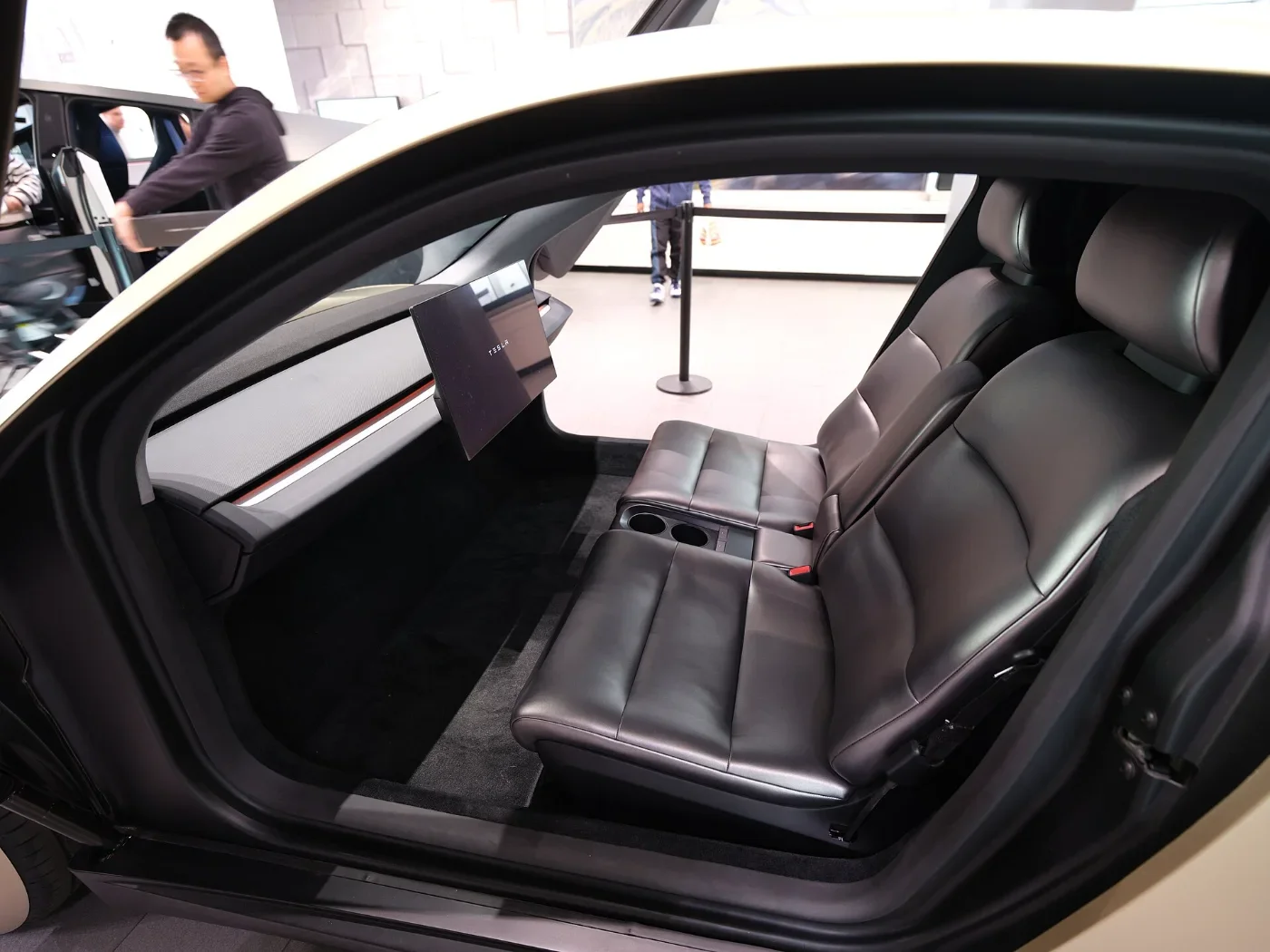
Tesla describes Cybercab as a purpose-built two-seat vehicle without a steering wheel or pedals. Its event page says more than 40 vehicles were deployed in limited areas of Austin after a September 3 launch. Tesla's October 21 quarterly update confirms deployment into its Austin Robotaxi fleet. Event description; Q3 update.
A fleet deployment is a specific milestone. It does not mean that readers everywhere can book a ride, buy a Cybercab or use their own Tesla without supervision. Those questions need separate, current answers.
What are the potential passenger benefits?
The central idea is access to a journey without personally driving or owning the vehicle used for that journey. For an eligible trip inside an operating area, the useful comparison is with your actual alternatives: another ride service, public transit, walking or driving yourself.
Our interpretation is that a purpose-built passenger vehicle could make the cabin and booking experience worth examining. The benefits should be judged through ordinary details: how easy it is to find the pickup, understand the trip status, carry your belongings and get help. We have not established that Cybercab performs those tasks better than competing services.
What should you verify before trying a ride?
- Check the current service map and operating conditions in the official app. A city announcement does not mean that every address in that city is supported.
- Check seating, luggage and passenger requirements for your trip. Two seats may not fit the journey you originally planned, and this article does not establish wheelchair accessibility or child-seat arrangements.
- Read the fare, pickup instructions and support process before committing. Keep another transport option in mind when availability matters to an appointment or connection.
How is this different from FSD on a personal Tesla?
Tesla's quarterly update discusses Robotaxi separately from FSD (Supervised), and explicitly says the latter requires active driver supervision and does not make the vehicle autonomous. Do not transfer claims about one service to the other. Q3 update, SI and services section.
We have not assessed autonomous-driving performance or comparative crash risk. This explainer identifies the proposition and the practical questions a passenger can ask. A verified ride report would be a different article, based on a real trip and clearly stated conditions.
Research notes
Sources & what we checked
Official documentation checked on October 23, 2026. Features and terms may change. The workflow suggestions and fit assessments are our editorial interpretation, not measured performance results.