The promise comes before the form
A newsletter needs a reason to arrive in someone's inbox. Start by finishing this sentence: every issue helps a specific reader do one useful thing. For a technology discovery publication, that might be one practical tool, one limitation to understand and one small action to try.
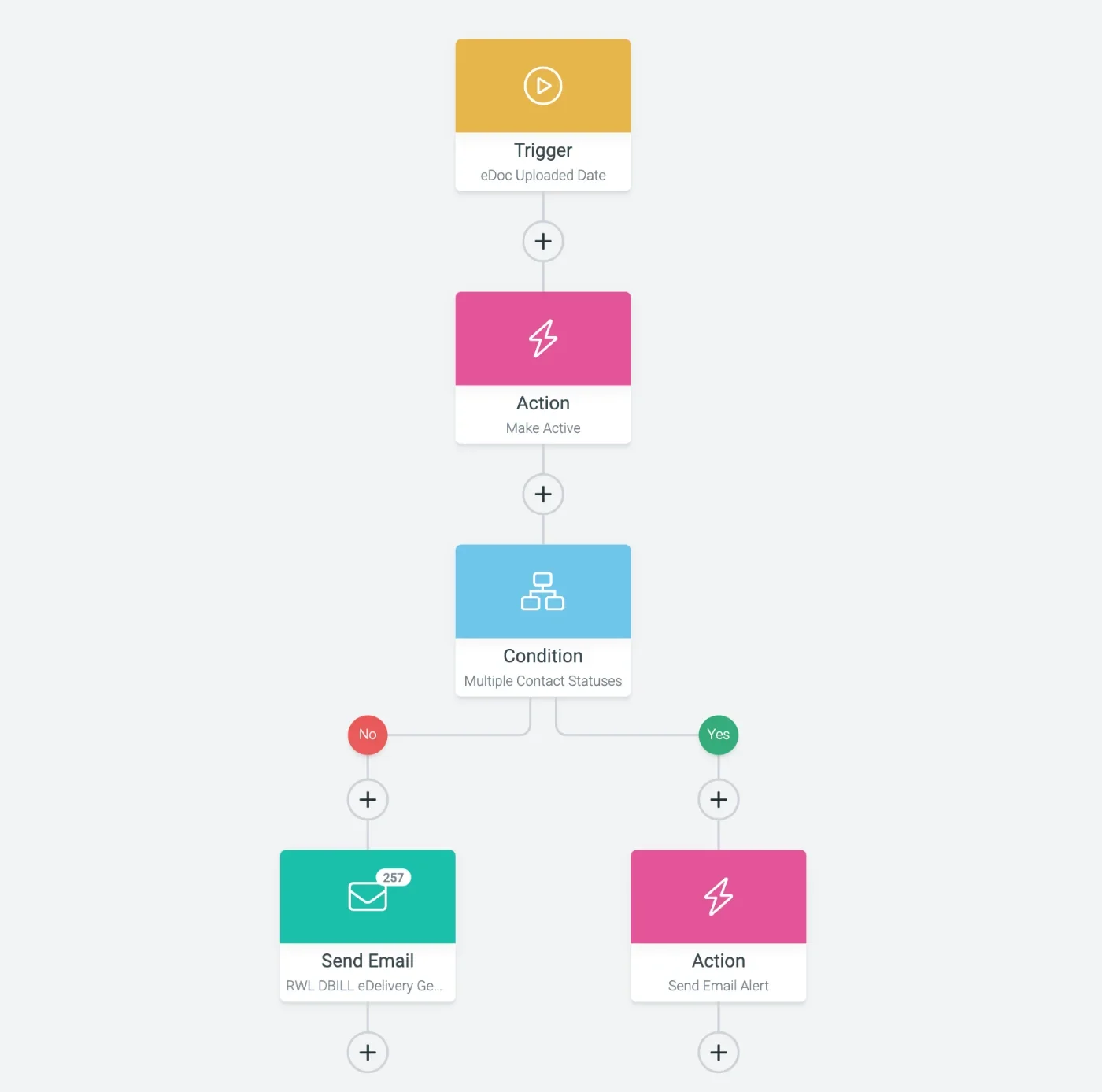
Kit is an email marketing service for creators. Its pricing page currently lists a free plan for up to 10,000 subscribers, with landing pages, forms, broadcasts and tagging. Paid plans add capabilities such as unlimited visual automations and email sequences. Check the current table rather than assuming all features come with the free subscriber limit. Kit's plan comparison.
Build a modest first version
- Draft an issue before designing the subscription page. If it is difficult to explain why someone should read that issue, narrow the promise.
- Choose a schedule you can maintain. Describe the subject and expected frequency clearly on the sign-up page.
- Use one focused landing page or embedded form. Ask only for information you have a clear reason to use.
- Send yourself a test and inspect it on a phone. Follow every link and check the sender name, reply address and unsubscribe experience.
- Invite people to subscribe voluntarily. Keep a record of where sign-ups originate so you can learn which content creates interest.
A form is a starting point
Kit provides landing-page tools as an option for collecting sign-ups. Treat the page as an explanation of your publication: show a specific example of what readers will receive and make the next step easy to understand. You can evaluate that promise without building a large website first. Kit landing-page tools.
Our editorial take: write and send a few useful issues before investing in elaborate automations. Record replies, link clicks and the questions readers ask; use that feedback to decide what belongs in the next edition. A subscriber limit is capacity, not an audience-growth forecast. We have not tested Kit's delivery performance, integrations or a live Discover sign-up workflow. This page does not collect email addresses.
Research notes
Sources & what we checked
Official documentation checked on October 23, 2026. Features and terms may change. The workflow suggestions and fit assessments are our editorial interpretation, not measured performance results.